ASEAN Energy Gender Week 2026: Workshop on Driving Gender Equality and Inclusion in Energy Employment
31 March 2026
Makati City, Philippines
Gender equality, diversity, and inclusivity (GEDI) are essential to fostering equitable and sustainable energy transitions. While progress has been made over the past decade to integrate these principles into the energy sector, significant work remains. Championing GEDI requires concerted efforts to create equal opportunities, foster inclusive cultures, dismantle systemic barriers, and assess the impacts of energy technologies, policies, and innovations through an intersectional lens. This lens enables a deeper understanding of the interconnectedness of social identities and their influence on the experiences of both the energy workforce and the progress of decarbonisation. It underscores the importance of equitable access, opportunities, and inclusive practices throughout the energy sector.
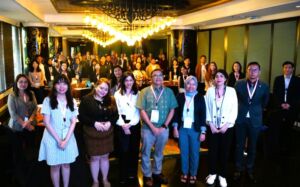
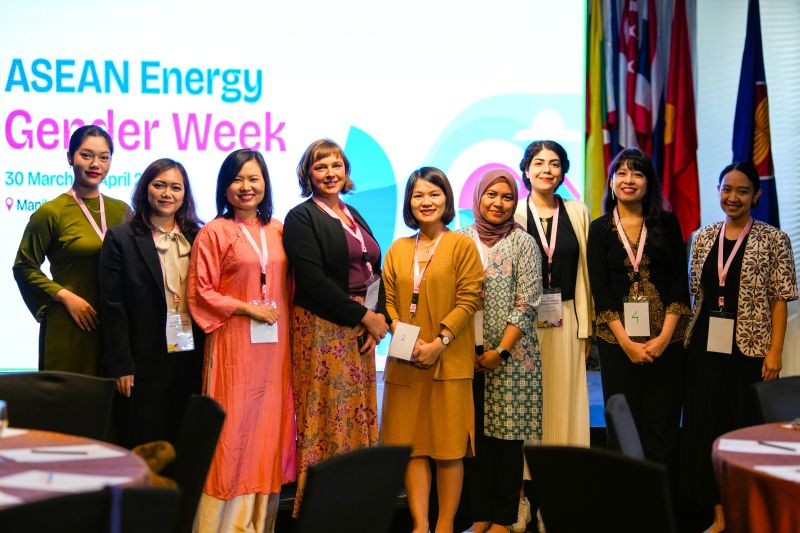
ASEAN Energy Gender Week 2026 provided an important platform for regional and international dialogue on how to advance a just and inclusive energy transition across Southeast Asia. Across the four-day program, representatives from governments, regional institutions, industry, civil society, and partner organizations came together to exchange perspectives on practical approaches to strengthening diversity, equity, and inclusion in energy policy, planning, and workforce development. These discussions reaffirmed the importance of translating high-level commitments into concrete action, while ensuring that the benefits of the energy transition are more broadly shared, including by women, persons with disabilities, and other historically underrepresented groups.
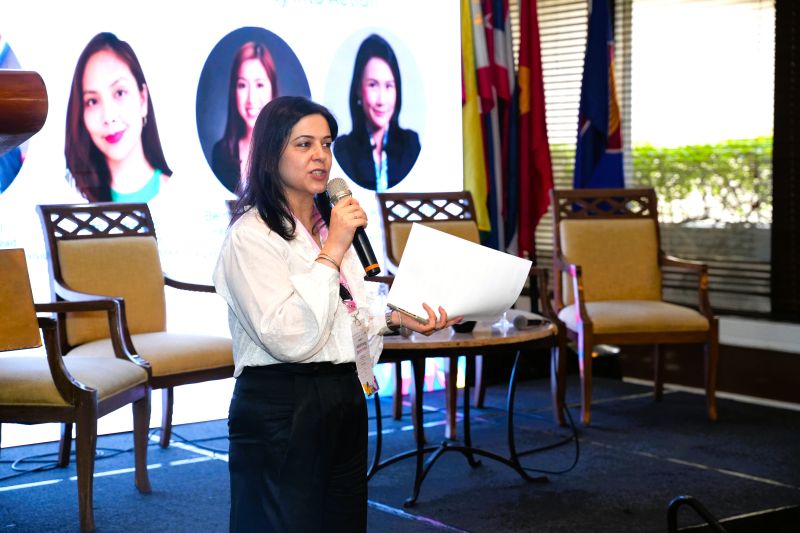
A key highlight of the week was Day 2’s workshop, Driving Gender Equality and Inclusion in Energy Employment, co-organised by the CEM, the Tara Climate Foundation, and the ASEAN Centre for Energy (ACE). Anchored in the ASEAN Plan of Action for Energy Cooperation (APAEC) 2026–2030 and its theme of “Advancing Regional Cooperation in Ensuring Energy Security and Accelerating Decarbonisation for a Just and Inclusive Energy Transition,” this workshop contributed directly to efforts to integrate Gender Equality, Disability, and Social Inclusion (GEDSI) into energy policy and planning. Day 2 shifted the focus from high-level dialogue to concrete action on gender equality and inclusion in ASEAN’s energy workforce and employment.
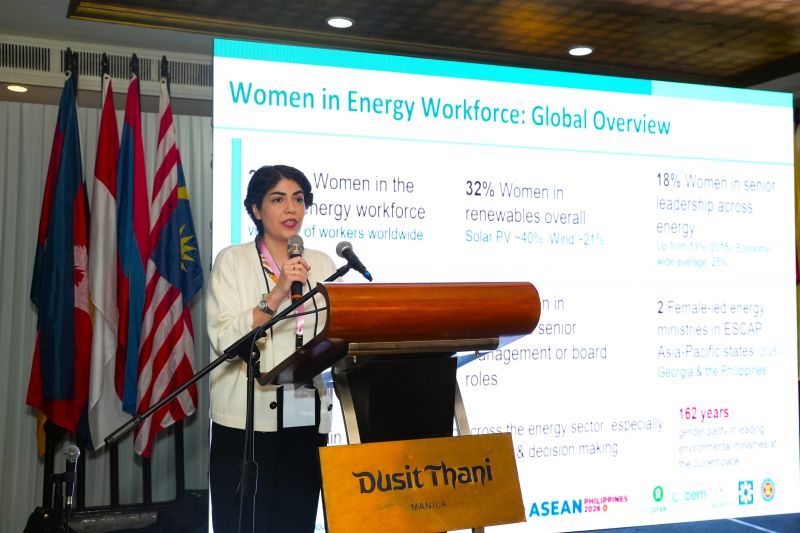
The workshop opened with strong messages from Director Michael O. Sinocruz of the Department of Energy Philippines and Dr Zulfikar Yurnaidi of ACE, reaffirming national and regional commitments to advancing gender equality and inclusion in the energy workforce. This was complemented by presentations from CEM and the Equality in Energy Transitions Initiative, alongside ACE’s regional overview of workforce and leadership trends, which helped frame the discussion within both global and ASEAN contexts. A panel discussion then brought together perspectives from industry, youth, and regional and multilateral stakeholders to reflect on persistent barriers to women’s participation, leadership, and retention in the sector, while also highlighting emerging good practices and inclusive pathways.
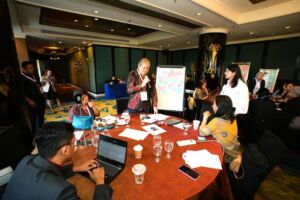
The afternoon sessions moved from dialogue to co-creation, building on reflections from the International Energy Agency’s (IEA) work on people-centred clean energy transitions and workforce development. Through interactive breakout discussions, participants identified priority barriers, shared examples of successful initiatives and good practices, and provided high-level input on what a practical and regionally-responsive toolkit could look like to support the acceleration of women’s participation in Southeast Asia’s energy sector. Discussions touched on policy, gender mainstreaming and gender budgeting, data and implementation frameworks, and potential case studies that could be showcased as replicable examples for the region. These valuable exchanges will directly inform the development of the forthcoming CEM toolkit and support the Southeast Asian countries in translating commitments into tangible outcomes.
While women represent only about 8% of the energy workforce in ASEAN, the energy transition presents a historic opportunity to build a more inclusive, skilled, and diverse workforce. Structural barriers, including male-dominated STEM pipelines, gendered hiring and promotion practices, workplace cultures, and limited access to technical training, have historically limited women’s participation in energy roles. This workshop addressed these barriers by combining evidence-based problem diagnosis with actionable solutions drawn from global platforms such as CEM’s Equality in Energy Transitions Initiative and the Equal by 30 Campaign.
Specifically, this workshop helped to:
- Raise awareness of Gender Equality, Disability, and Social Inclusion (GEDSI) in energy employment across ASEAN.
- Identify structural barriers to women’s participation in the energy sector across ASEAN, including in education pathways, workforce entry, retention, and leadership.
- Highlight evidence-based solutions and good practices for integrating GEDSI, drawing on regional, national, and global initiatives.
- Reflect on linkages between APAEC implementation need and CEM’s existing tools (Equal by 30 and the Implementing Inclusivity Framework).
- Strengthen regional leadership by building an ASEAN cohort of ambassadors and Equal by 30 champions to support peer learning and sustained commitments.
- Promote collaboration among policymakers, industry leaders, and regional stakeholders to advance GEDSI integration in energy employment.
- Catalyze concrete actions and develop measurable indicators to track GEDSI impact through the proposed Toolkit.
The workshop included key video interventions from:
For more information on the rest of ASEAN Gender Energy Week, click here.
Supported by: